How to find clients when you're just starting out
Key takeaways
- Your first clients almost always come from your existing network
- A "proof package" (3 examples + 1 testimonial) beats a fancy portfolio
- Cold outreach works if you lead with their problem, not your CV
- Pick a niche early, "I do everything" makes you invisible
The cold start problem
You've registered with HMRC, set up your templates, and you're ready to work. One small problem: nobody knows you exist yet.
Finding clients when you have no track record feels impossible. But here's the thing, every successful freelancer started with zero clients. They didn't have some magic advantage. They just did a few things consistently.
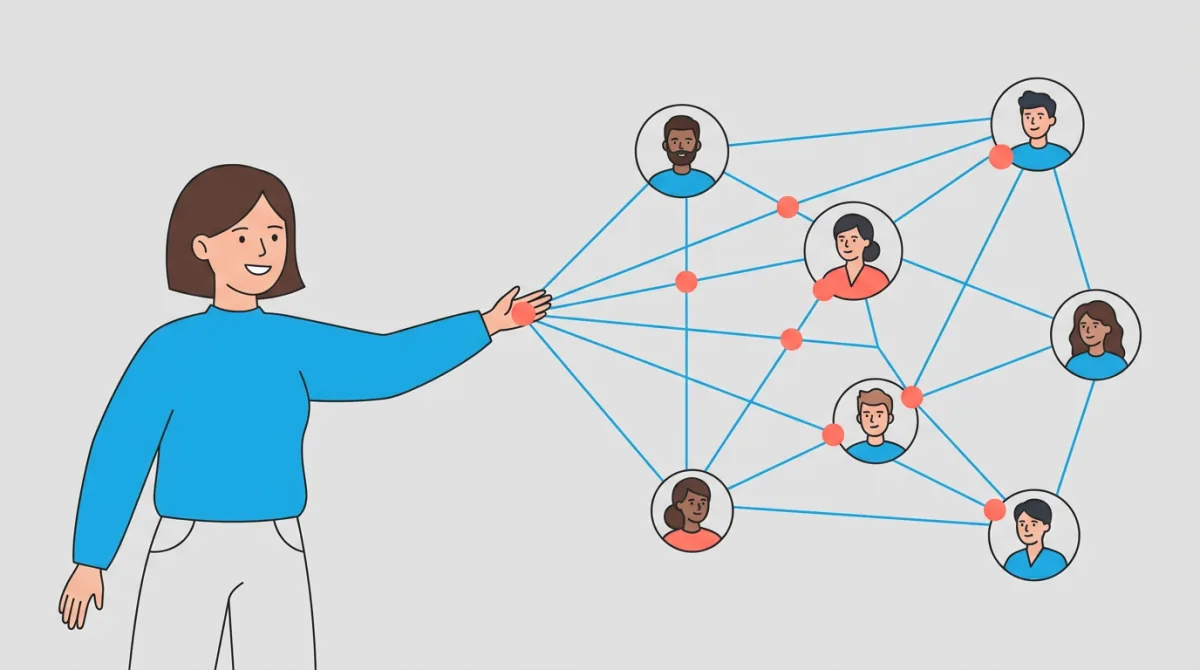
Start with people who already know you
Your first client probably isn't a stranger on the internet. It's someone who already trusts you. Former colleagues, university friends, family connections, people you've worked with in any capacity.
Send a short, honest message to 20 people:
"Hey, I've started freelancing as a [your skill]. If you know anyone who needs help with [specific thing], I'd love an introduction. No pressure at all."
That's it. Not salesy. Not desperate. Just letting people know you're available. You'll be surprised how many say "actually, I might need something..."
Build a proof package (not a perfect portfolio)
You don't need a beautiful website with 50 case studies. You need a proof package: a small collection of evidence that you can do the work.
- 3 examples of your work (personal projects, spec work, or volunteer gigs all count)
- 1 testimonial (even from a non-paying project, "worked with them on X, they were brilliant")
- A one-page PDF that explains what you do and who you help
That's your proof package. It takes a weekend to put together and it's enough to land your first three clients.
Cold outreach that actually works
Cold emails have a bad reputation because most of them are terrible. They lead with "I" and read like a CV. The ones that work lead with the recipient's problem.
Bad cold email
"Hi, I'm a freelance designer with 2 years of experience. I specialise in branding and web design. I'd love to work with you. Please find my portfolio attached."
Good cold email
"Hi Sarah, I noticed your website's checkout page doesn't work well on mobile. I redesigned it as a quick example (attached). If you're interested in improving your conversion rate, I'd love to chat. Either way, hope it's useful."
The second email shows you've done the work. It leads with value. It gives them something before asking for anything.
Ready for your first client conversation?
Set up a professional intake form that captures project details before your first call. Clients see you're organised. You get the info you need.
Create your intake formPick a niche (seriously)
When you're starting out, saying yes to everything feels smart. More options, more chances, right? Actually, it's the opposite.
"I'm a freelance designer" competes with millions of people. "I design landing pages for UK fitness brands" competes with about twelve. Being specific makes you findable, memorable, and referable.
Your niche can be:
- Industry-based: "I write copy for fintech startups"
- Service-based: "I do Shopify migrations for small businesses"
- Problem-based: "I help coaches create online courses"
You can always expand later. But starting narrow gets you clients faster.
Freelance platforms worth trying
Platforms aren't a long-term strategy, but they're useful for building early momentum:
- Upwork: largest market, competitive but good for building reviews
- PeoplePerHour: UK-focused, good for smaller projects
- Fiverr: works well for productised services (fixed scope, fixed price)
- LinkedIn: not a platform per se, but posting regularly about your work attracts inbound leads
The trick with platforms: treat your first 3-5 projects as reputation builders, not money makers. Get reviews, build credibility, then raise your rates.
The consistency tax
Here's what nobody tells you about finding clients: it's not about doing one big thing. It's about doing small things consistently. One outreach message a day. One LinkedIn post a week. One coffee chat a month.
Most freelancers give up after two weeks because nothing happened yet. The ones who succeed are the ones who kept going for two months.
Your first client is out there. They just don't know about you yet.
Related articles
Best all-in-one tools for UK freelancers (2026)
What is the best all-in-one platform for UK freelancers? Comparing HelloNoa, Bonsai, HoneyBook, and Plutio for proposals, contracts, invoicing, and time tracking in one place.
HelloNoa vs Plutio: which is better for UK freelancers?
Comparing HelloNoa and Plutio for UK freelancers. Both are British, but one's a global all-in-one toolbox and the other's a focused UK workflow. Pricing, contracts, VAT, and which fits you.
AND.CO shut down: best alternatives for UK freelancers (2026)
AND.CO and Fiverr Workspace shut down in March 2026. Here are the best alternatives for UK freelancers who need contracts, invoicing, and time tracking.